In a world of multi-million pound seed rounds and venture capital unicorns, the idea of starting a business with little to no funding can feel impossible. But it’s not. Bootstrapping: building a business from the ground up with only your own savings and the revenue you generate, is still one of the most powerful and sustainable ways to create a successful company.
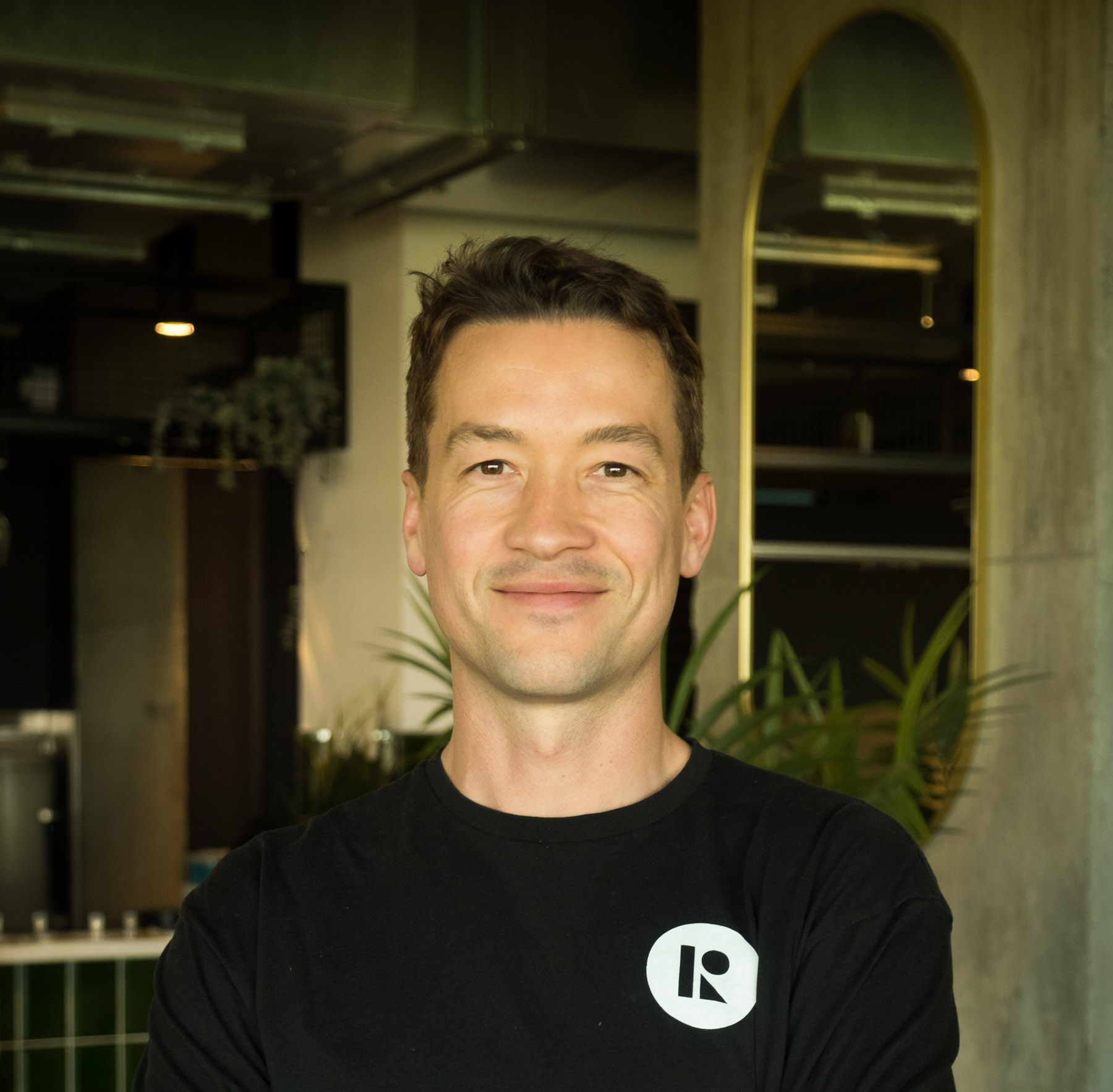
Just ask Stu McFadden, the founder of Refundee and a member of FOUNDRY Wandsworth. He bootstrapped his business, which helps victims of financial scams recover their money, and has now recovered nearly £100 million for clients. He shared his practical, no-nonsense approach on the Work This Way podcast.
Forget the jargon and the ‘get rich quick’ schemes. Here is a step by step guide to bootstrapping your business, based on the real-world experience of a founder who’s done it.
Step 1: Solve a Painful, Obvious Problem
Before you even think about a business name or a logo, you need to find a problem. Not just any problem, but a real, painful and obvious one that people are willing to pay to solve.
Stu didn’t start with a desire to build a fintech company. He started by noticing that victims of financial scams were struggling to get their money back from banks. The process was complicated, intimidating and often unsuccessful. The problem was clear, and the need for a solution was urgent. This gave him a solid foundation to build upon.
Actionable Tip: Talk to people. What are their biggest frustrations? What do they complain about? The best business ideas are often found in everyday problems.
Step 2: Prove the Concept (and Your Value) First
Once you have a problem, you need to prove that you can solve it. Before building a fancy website or hiring a team, Stuart focused on one thing: getting results for his first few clients. He proved that his method worked and that he could provide real value.
This initial success gave him the confidence, the testimonials, and the cash flow to start thinking bigger. It’s much easier to build a business when you have concrete proof that what you’re doing actually works.
Actionable Tip: Don’t be afraid to start small and manual. Offer your service to a handful of people for free or at a low cost. Your only goal at this stage is to validate your idea.
Step 3: Be Frugal, Not Cheap
Bootstrapping is all about being smart with your money. But there’s a big difference between being frugal and being cheap. Being frugal means spending money on the things that will actually help you grow and cutting costs on everything else. Being cheap means cutting corners and compromising on quality, which will hurt you in the long run.
For Stu, this meant investing in the right legal advice and technology but not wasting money on a fancy office or expensive marketing campaigns. He used his resources wisely, focusing on what would deliver the biggest return on investment.
Actionable Tip: Make a list of your essential and non-essential expenses. Be ruthless about cutting the non essentials, but don’t be afraid to invest in the things that will directly impact the quality of your product or service.
Step 4: Build a Mission-Driven Team
You might not be able to compete with big companies on salary, but you can compete on purpose. People are increasingly looking for work that is meaningful and makes a positive impact on the world.
Refundee’s mission to help victims of financial scams is a powerful one. It has allowed Stu to attract a team of passionate, dedicated individuals who are motivated by more than just a paycheck. This shared sense of purpose creates a strong company culture and a team that is willing to go the extra mile.
Actionable Tip: Clearly define your mission, vision, and values. Talk about them constantly. Make them the foundation of your recruitment process.
Step 5: Reinvest Every Penny
In the early days of a bootstrapped business, every penny of profit is precious. Instead of taking a big salary or paying out dividends, Stu reinvested the money back into the business. This allowed him to hire more people, to improve his technology, and to help more clients.
This cycle of reinvestment is the engine of a bootstrapped business. It’s what allows you to grow organically and sustainably, without giving up equity or control to outside investors.
Actionable Tip: Create a simple financial plan that outlines how you will reinvest your profits. Prioritize the investments that will have the biggest impact on your growth.
Bootstrapping isn’t easy, but it is incredibly rewarding. It forces you to be creative, to be resilient, and to build a business that is truly sustainable. Stuart’s story is a powerful testament to that.
Want to hear more about Stuart’s bootstrapping journey? Listen to his full episode on the Work This Way podcast on Spotify or Apple Podcasts.